
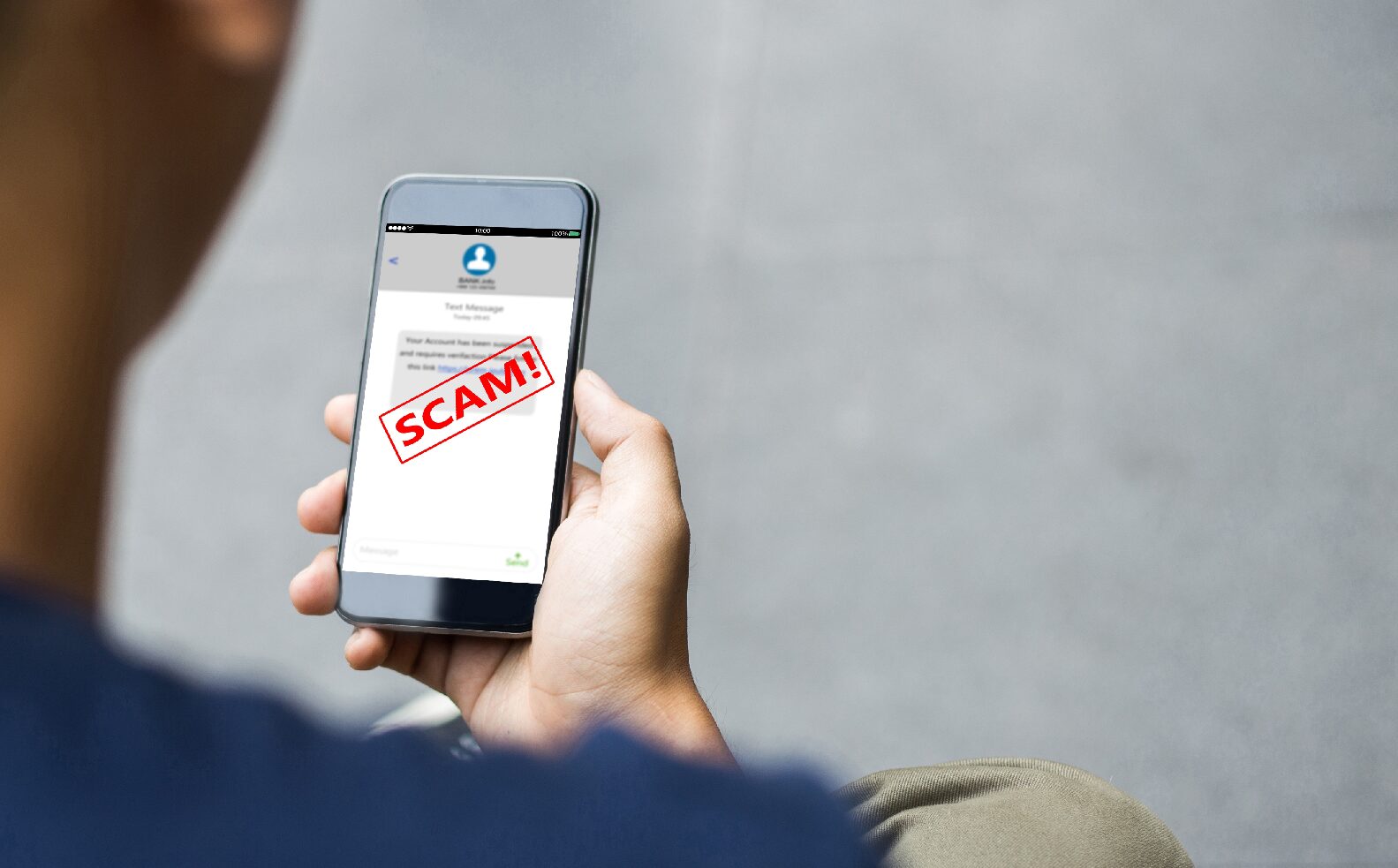
Fraudulent text messages are circulating in the area. The scam claims to come from a taxing authority and asks people to share banking details in order to receive a tax refund.
The text tells recipients, “Your refund request has been processed and approved. Please provide accurate payment information by Sept. 16, 2025. We will deposit the funds into your bank account or mail a check within 1-2 business days.” A link is included where people are directed to submit their information. Do not click on the link.
It also threatens, “Failure to provide the required payment information by Sept. 16, 2025, will permanently disqualify you from receiving this refund.”
Officials stress that these messages are not legitimate. Taxing authorities will never ask for banking or refund details through text messages. Taxpayers are urged not to click suspicious links and to block unfamiliar senders.
Scammers have targeted taxpayers in Philadelphia, throughout Pennsylvania, and New Jersey, where the state’s Division of Taxation was spoofed in nearly identical texts. Comparable schemes have also surfaced in Ohio, Utah, and California.
These attempts are examples of smishing—a tactic that uses fake text messages to trick people into giving up personal or financial information. Other versions often appear as phony job offers, package delivery alerts, or banking notices.
The impact can be costly. According to the Federal Trade Commission, consumers lost about $470 million to text message scams in 2024—five times the reported losses in 2020.
Taxpayers have also been targeted by scam texts pretending to be from local police, state and regional agencies, election offices, and the Pennsylvania Department of Human Services, with some messages specifically aimed at Medicaid and SNAP recipients.
Consumer advocates urge people to treat unexpected texts with caution—especially if they come from unknown numbers or unusual email addresses, or if they demand quick action.
Never click links or reply. If you are unsure, look up the agency or company independently and call using its official phone number.
Federal officials recommend reporting suspicious texts by forwarding them to 7726 (SPAM), which helps wireless carriers identify and block fraudulent messages. Contact your Stephano Slack tax manager or partner at 610-687-1600 or email taxinfo@StephanoSlack.com with questions.
Author Robert Radzinski, CPA, Manager, manages tax compliance for businesses and high-net-worth individuals. Rob can be contacted at 610-687-1600 or rradzinski@stephanoslack.com.
Disclaimer: This content is for informational purposes only and doesn’t constitute professional advice.
Recent Comments