

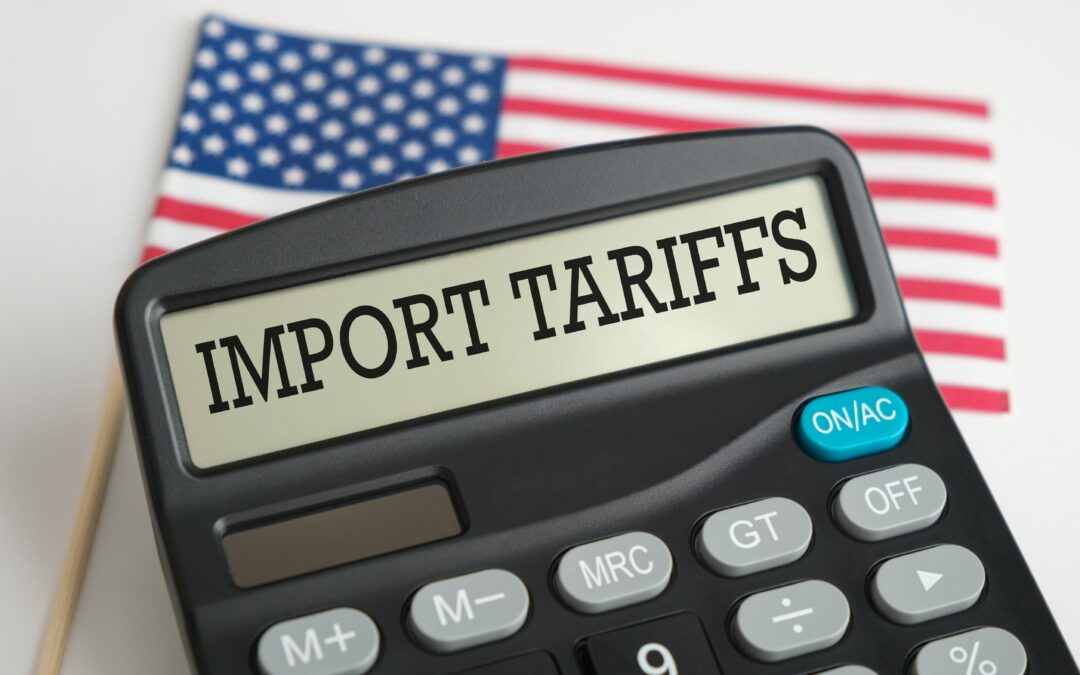
After months of uncertainty, tariff refunds tied to invalidated Trump-era tariffs are beginning to move forward. U.S. Customs and Border Protection (CBP) has opened a new portal that allows eligible importers to begin applying for reimbursement of certain duties, along with interest. For businesses that paid significant tariff costs, this development could create a meaningful cash-flow opportunity. The process, however, is not as simple as it may sound.
Why refunds are being issued: Two months after the U.S. Supreme Court struck down the broadest tariffs imposed under the International Emergency Economic Powers Act (IEEPA), the federal government began the first phase of a refund program for affected importers. According to reports, approximately $166 billion in refunds plus interest may ultimately be owed to businesses that paid those tariffs.
To manage the volume, CBP launched the Consolidated Administration and Processing of Entries (CAPE) system. Rather than handling claims one entry at a time, the portal is intended to streamline the refund process and consolidate eligible claims.
Who can apply: At this stage, only certain parties may file claims:
- Importers of record that originally paid the tariffs
- Authorized customs brokers acting on behalf of those importers
- Businesses with qualifying tariff payments included in the current phase of the rollout
Not every payment subject to refund is eligible in the first wave. Additional phases are expected, though the full timeline has not yet been announced.
How long will it take? CBP has indicated that approved refunds may be issued within 60 to 90 days after approval. However, businesses should be prepared for delays. Claims may require additional review, and administrative backlogs are possible given the program’s size.
There is also the potential for further policy or legal developments that could affect timing or the amount ultimately refunded.
Why this matters for businesses: For many companies, tariffs became an added cost that reduced margins, raised prices, or disrupted supply-chain planning. A refund could provide more than a reimbursement — it may improve liquidity and create room for strategic reinvestment.
Depending on the amount involved, businesses may consider using refunds to:
- Strengthen working capital
- Reduce debt or credit balances
- Reinvest in inventory or equipment
- Offset rising supply-chain costs
- Build reserves for future trade uncertainty
What businesses should do now: If your company imported goods during the affected period, now is the time to act.
Review the import history: Identify entries for which IEEPA tariffs were paid and determine whether they may qualify for reimbursement.
Gather documentation: Organize entry summaries, payment records, customs filings, broker communications, and supporting import records.
Coordinate with advisors: Work closely with your customs broker, accountant, and legal advisor to ensure claims are complete and properly supported.
Evaluate tax treatment: Refunds, accrued interest, and prior tariff deductions may create accounting or tax implications that should be reviewed in advance.
Plan strategically: A refund should be viewed as part of a broader financial strategy, not simply a one-time windfall.
Tariff refunds are finally starting, but the process will likely unfold in stages and may require patience. Businesses that prepare early, document thoroughly, and coordinate with trusted advisors will be best positioned to recover funds and use them wisely. Learn more at International Emergency Economic Powers Act (IEEPA) Duty Refunds | U.S. Customs and Border Protection.
Contact the tax and advisory professionals at Stephano Slack to discuss how tariff refunds may affect your business, cash flow, and tax planning at 610-687-1600 or email taxinfo@StephanoSlack.com.
Author Robert Radzinski, CPA, Manager, manages tax compliance for businesses and high-net-worth individuals. Rob can be contacted at 610-687-1600 or rradzinski@stephanoslack.com.
Disclaimer: This content is for informational purposes only and does not constitute tax, legal, or financial advice.
Recent Comments